A corporate website is often the first, and sometimes the only, impression a prospect, investor or candidate forms of your business. The effective ones share a recognisable set of features, while the forgettable ones tend to miss the same handful. Below are the 10 features that consistently separate corporate sites that build trust and generate leads from those that simply exist.
1. A clear brand identity and value proposition
Within seconds, a visitor should understand who you are, what you do and why it matters. Clean, consistent branding and a sharp headline do more for credibility than any amount of decoration. For inspiration, browse our roundup of the best corporate website design examples.
2. Mobile-first responsive design
Close to 59% of website visits now come from mobile devices. A responsive layout that works on phones, tablets and desktops is no longer optional. See our guide to responsive web design best practices for how to get this right.
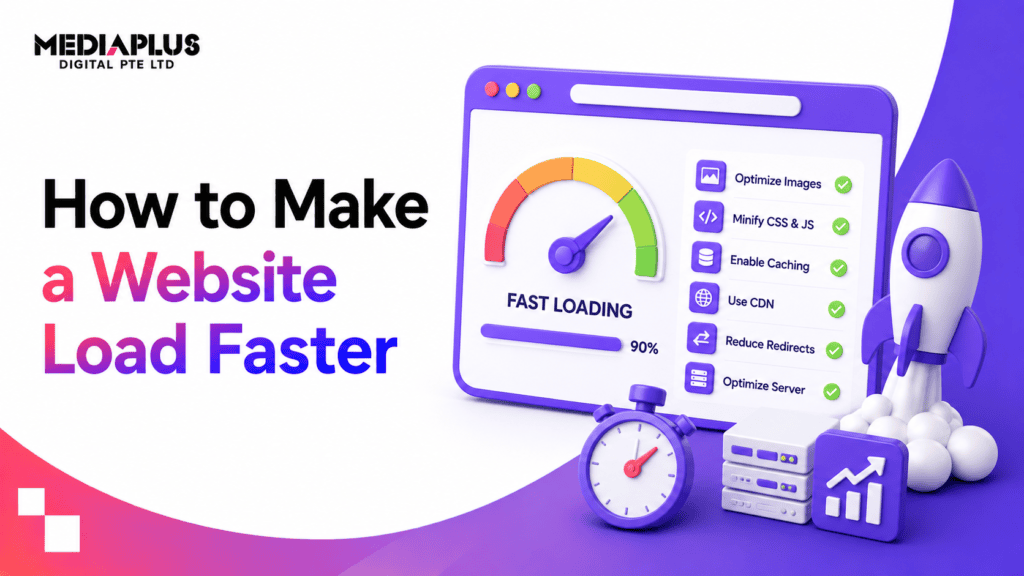
3. Fast loading speed
Around 53% of mobile users abandon a page that takes longer than three seconds to load. Speed protects both conversions and search rankings, which is why it sits near the top of every effective site’s priorities.
4. Intuitive navigation
Good navigation lets visitors find what they need in a few clicks. A logical menu, clear labels and a visible search function keep people engaged instead of bouncing.
5. Strong visual hierarchy
Layout should guide the eye to what matters most, in order. Size, contrast, spacing and placement all signal importance. Our explainer on visual hierarchy principles covers the mechanics.
6. Quality, purposeful content
Content establishes expertise, supports SEO and answers the questions buyers actually have. Effective corporate sites pair clear service or product pages with proof, case studies and useful resources.
7. Clear calls to action
Every key page should tell the visitor what to do next, whether that is “Book a consultation”, “Request a quote” or “Download the report”. Without obvious CTAs, even interested visitors drift away. Refining these is the core of conversion rate optimisation.
8. Trust-building elements
Testimonials, client logos, certifications and case studies reduce perceived risk. Around 88% of consumers trust online reviews as much as a personal recommendation, so social proof earns its place on the page.
9. Security and privacy
Corporate sites handle enquiries, data and sometimes transactions, so HTTPS, a clear privacy policy and secure forms are baseline expectations, not extras.
10. SEO-ready foundations
Optimised page titles, meta descriptions, heading structure and clean technical setup make the site discoverable. A beautiful site that no one can find is a missed opportunity.
A quick self-audit
Run your current site against these 10 features:
|
Feature |
On most sites |
On effective sites |
|
Value proposition above the fold |
Vague |
Instant and specific |
|
Mobile experience |
Shrunk desktop |
Designed for mobile first |
|
Load time |
4 seconds or more |
Under 3 seconds |
|
Calls to action |
Buried or absent |
Clear on every page |
|
Trust signals |
Generic |
Specific and verifiable |
If several rows fall in the left column, you are leaving leads on the table. Avoiding the usual traps helps too, which is why we put together a list of common website design mistakes and the underlying essential web design principles.
Want a corporate site that ticks all 10 boxes? See how our team approaches web design and development.