For small businesses, competing online can feel unfair. Paid ads are expensive, large brands dominate search results, and marketing budgets are limited.
That is exactly why SEO matters.
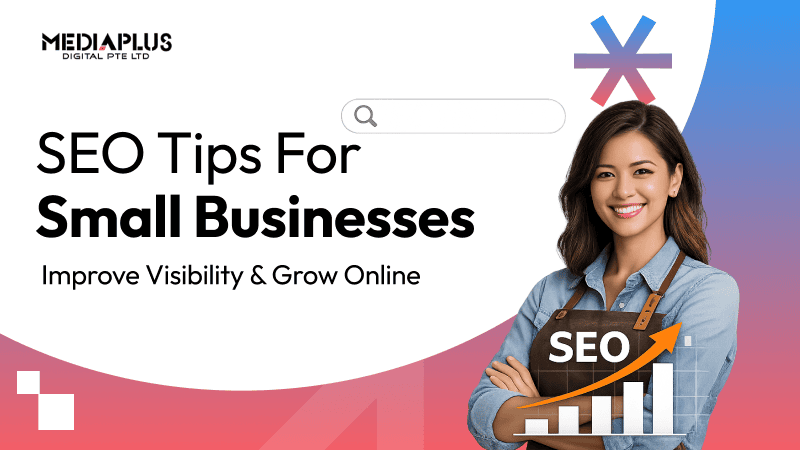
Search engine optimisation allows small businesses to attract high-intent traffic without paying for every click. Done right, SEO becomes a long-term growth channel that compounds over time, rather than a short-term expense.
This guide explains what SEO really is, how it works for small businesses, and the most effective SEO tips you can apply without wasting time or money.
What Is SEO and Why It Matters for Small Businesses?
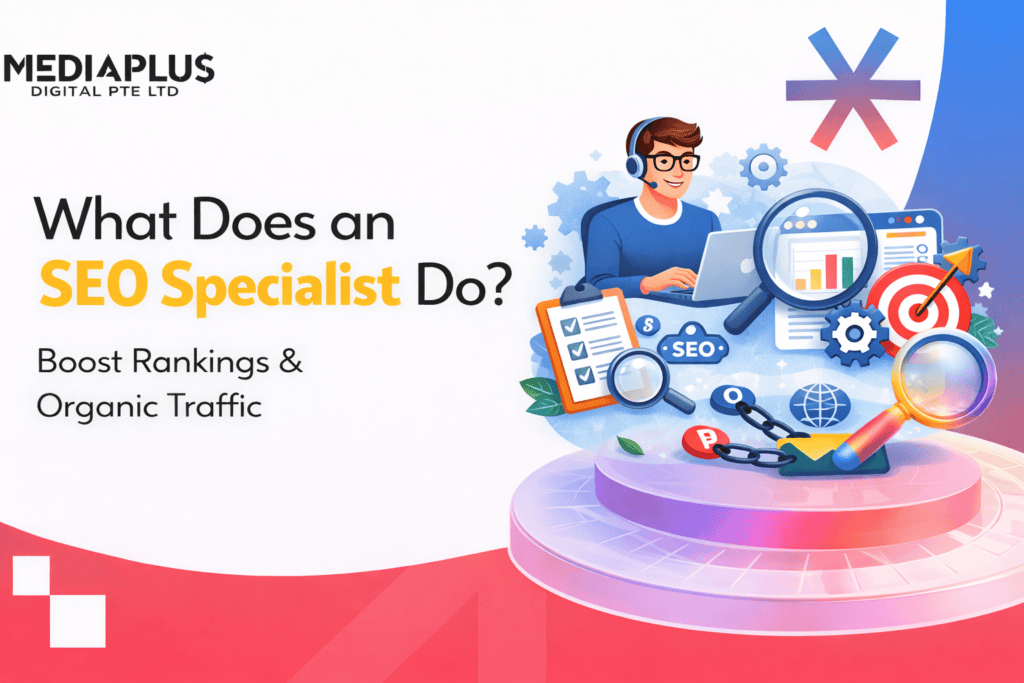
SEO is the process of improving your website’s visibility in organic search results. The goal is simple. When someone searches for products or services you offer, your website should appear as close to the top of the results as possible.
Unlike paid advertising, SEO does not stop the moment you stop spending. Strong SEO continues to generate traffic, leads, and sales over time.
For small businesses, SEO offers three critical advantages:
-
Lower long-term customer acquisition cost
-
Higher trust and credibility compared to ads
-
Sustainable traffic growth without ongoing ad spend
Small Business SEO vs Local SEO
Small business SEO focuses on improving visibility for relevant searches, regardless of location. Local SEO focuses specifically on geographic searches such as “near me” or city-based queries.
If you serve customers nationally or digitally, small business SEO is your priority. If you rely on foot traffic or local service areas, local SEO should be part of your strategy.
Many businesses benefit from a combination of both.
5 Essential SEO Tips for Small Businesses
1. SEO Is Not Just About Google
Google is critical, but it is not the only platform where people search.
Depending on your business, customers may also search on:
-
YouTube
-
Amazon
-
Reddit
-
Instagram
-
Yelp or review platforms
Understand where your audience searches first, then optimise content for those platforms alongside Google.
2. SEO Takes Time, But It Compounds
SEO is not instant. Most small businesses start seeing meaningful results after three to six months, sometimes longer for new websites.
What matters is consistency. The work you do today builds authority that makes future growth easier. Businesses that stop too early never see the real payoff.
SEO rewards patience and discipline.
3. Target the Right Keywords, Not the Most Popular Ones
Small businesses should avoid chasing ultra-competitive keywords dominated by large brands.
Instead, focus on:
-
Specific, intent-driven keywords
-
Long-tail search queries
-
Keywords tied to problems your customers want solved
Keyword research tools like Ahrefs, Semrush, or AnswerThePublic help uncover opportunities that are realistic and profitable.
4. Write for Humans First, Search Engines Second
Search engines are designed to reward content that helps real people.
High-quality SEO content:
-
Answers real questions
-
Solves real problems
-
Is easy to read and scan
-
Sounds natural, not forced
Keyword stuffing and low-value content hurt rankings and trust. Clear, helpful writing keeps users engaged and signals quality to search engines.
5. Use Local Search to Your Advantage
Nearly half of all Google searches have local intent. People searching locally are often ready to buy.
If you serve a local market:
-
Claim and optimise your Google Business Profile
-
Use location-specific keywords naturally
-
Collect and respond to customer reviews
-
Ensure your contact details are consistent everywhere online
Local visibility can drive high-conversion traffic with relatively low competition.
Benefits of SEO for Small Businesses
SEO delivers long-term value that paid channels struggle to match.
Key benefits include:
-
Increased organic traffic without rising ad costs
-
Higher brand awareness and credibility
-
Better quality leads driven by intent
-
Sustainable revenue growth over time
Organic search consistently drives more than half of all website traffic across industries. Ignoring it puts small businesses at a long-term disadvantage.
How Small Businesses Should Get Started with SEO
The smartest starting point is understanding where you stand.
Conduct a Technical SEO Audit
This identifies issues that block performance, such as:
-
Slow page speed
-
Poor mobile optimisation
-
Broken links
-
Missing metadata
-
Crawl and indexing problems
Conduct a Content Audit
This helps you:
-
Identify content that needs improvement
-
Find gaps where new content is needed
-
Remove or consolidate low-value pages
Together, these audits create a clear roadmap instead of guesswork.
How to Choose SEO Services for a Small Business
Not every small business can manage SEO in-house, and that is okay.
When evaluating SEO providers, ask:
-
What industries do you specialise in
-
How do you measure success beyond rankings
-
What does the monthly work actually include
-
How do you approach link building
-
How transparent is reporting and communication
SEO should align with business goals, not just traffic numbers.
Final Thoughts
SEO is not a shortcut. It is a system.
For small businesses willing to invest time and consistency, SEO becomes one of the most cost-effective growth channels available. It builds visibility, trust, and demand without relying on constant ad spend.
The key is doing it properly from the start.
Need Help With Small Business SEO?
If you want SEO to support real business outcomes rather than vanity metrics, working with the right partner matters.
MediaPlus Digital Australia provides SEO services designed for sustainable growth, focusing on search intent, technical performance, and content that converts.
Strong SEO is not about tricks. It is about building long-term visibility that works even when you are not actively marketing.