Search engine marketing, commonly known as SEM, is a digital marketing strategy used to increase a website’s visibility in search engine results pages through paid advertising.
While the term once included both organic search engine optimization and paid tactics, SEM today refers almost exclusively to paid search advertising, often called PPC or pay-per-click marketing.
If you have ever searched for a product on Google and clicked on one of the sponsored results at the top of the page, you have interacted with SEM.
What Is Search Engine Marketing and Why Does It Matter?
SEM is designed to place your business directly in front of users who are actively searching for something related to your products or services.
Unlike social media ads that interrupt browsing, search ads appear when users show clear intent. Someone typing “best accounting software for small business” or “buy running shoes online” is already in research or buying mode. That intent makes SEM one of the most efficient digital marketing channels.
SEM is important because:
- It drives immediate traffic
- It targets users with high commercial intent
- It offers measurable ROI
- It allows granular targeting by location, device and timing
- It produces fast results compared to SEO
For many businesses, SEM is the fastest way to generate qualified website visits.
How SEM Works
SEM operates through advertising platforms such as Google Ads or Microsoft Ads.
Here is how the process works from both the user and advertiser perspective.
From the user’s side, a person enters a search query into Google. The search engine evaluates that query and displays both organic results and paid ads that match the keywords.
From the advertiser’s side, businesses bid on specific keywords that are relevant to their products or services. When someone searches for those keywords, the search engine runs an auction to determine which ads appear and in what order.
Ad placement is influenced by:
- Bid amount
- Ad quality and relevance
- Expected click-through rate
- Landing page experience
You do not automatically win by bidding the highest amount. Platforms use a quality score system to reward relevant ads with better positioning at lower cost.
Advertisers typically create text-based ads that include:
- A headline
- A description
- A call to action
- A destination URL
When a user clicks the ad, the advertiser pays a cost per click.
Why SEM Is Different from SEO
SEM and SEO are often confused, but they serve different purposes.
SEO focuses on improving organic rankings through content, technical optimization and authority building. It is a long-term strategy.
SEM focuses on paid placements to gain immediate visibility. It is a short-term, scalable traffic driver.
The strongest digital strategies combine both. SEM drives immediate leads while SEO builds sustainable long-term authority.
Major SEM Platforms
The primary SEM platforms include:
Google Ads, which covers Google Search and related properties
Microsoft Ads, which includes Bing and Yahoo search networks
Google has the largest search volume globally, but Microsoft Ads sometimes offers lower cost per click and less competition.
Businesses often test both platforms to compare performance.
How to Create an SEM Strategy
A successful SEM campaign requires structure and continuous optimization.
1. Conduct Keyword Research
Identify keywords that align with your target audience’s intent. Focus on keywords with strong commercial intent rather than purely informational searches.
Tools such as keyword planners and search data platforms help estimate search volume and competition.
2. Structure Campaigns and Ad Groups
Organize campaigns by themes or product categories. Within each campaign, group keywords into tightly related ad groups to improve relevance and quality score.
3. Write High-Intent Ad Copy
Your ad must align with the searcher’s intent. Strong headlines that reflect the exact search query often perform best. Highlight benefits and include a clear call to action.
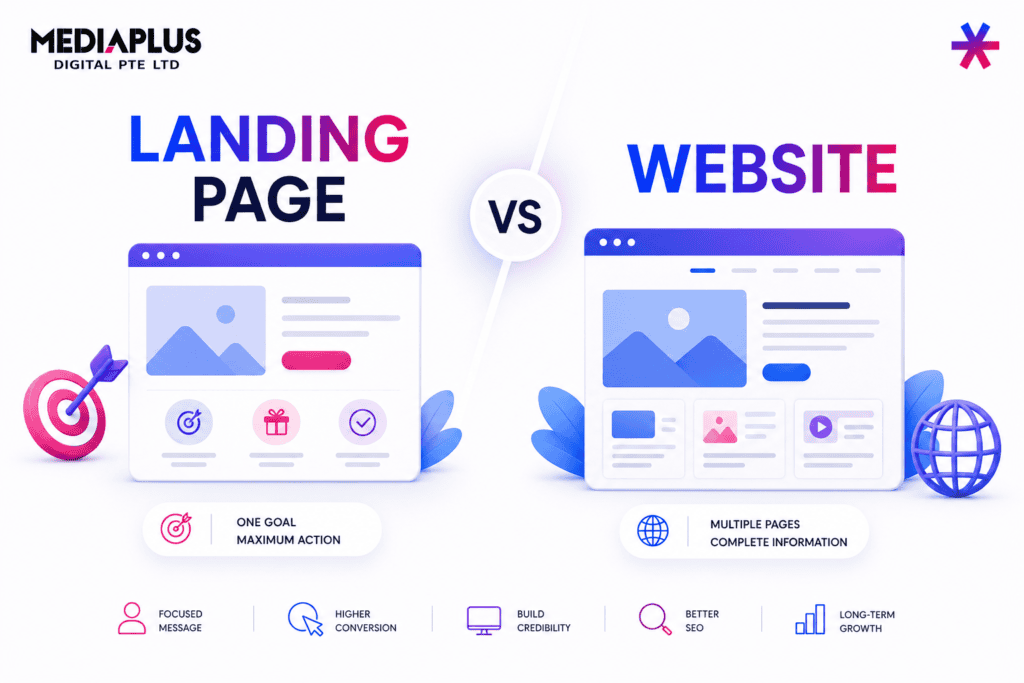
4. Optimize Landing Pages
Ad performance does not stop at the click. Landing pages must match the ad message, load quickly, display clearly on mobile and guide users toward conversion.
A well-optimized landing page improves quality score and lowers cost per click.
5. Manage Bidding Strategy
Advertisers can choose between manual bidding and automated bidding.
Manual bidding gives more control when starting out. Automated bidding uses machine learning to optimize toward conversions or target CPA once enough data is collected.
6. Allocate Budget Based on Data
Shift budget toward high-performing keywords, devices, locations or time segments. Data-driven allocation improves efficiency over time.
7. Continuously Refine and Test
SEM requires ongoing optimization. Testing variations in headlines, descriptions and landing page elements can significantly improve conversion rates.
A/B testing complements SEM by improving post-click performance and lowering acquisition costs.
Key SEM Metrics to Track
To measure SEM success, marketers monitor:
- Cost Per Click (CPC)
- Click-Through Rate (CTR)
- Cost Per Acquisition (CPA)
- Conversion Rate
- Return on Ad Spend (ROAS)
- Quality Score
While traffic volume matters, profitability is the ultimate benchmark.
Advantages of SEM
SEM offers several advantages for businesses seeking fast growth.
- Immediate visibility in search results
- High-intent audience targeting
- Clear, measurable performance metrics
- Flexible budget control
- Scalable acquisition once profitable
Because results are measurable, SEM provides strong financial accountability.
Challenges of SEM
SEM also has limitations.
- Competition can increase keyword costs
- Poorly optimized campaigns waste budget
- Heavy reliance on paid traffic can reduce long-term sustainability
- Privacy changes may affect tracking accuracy
Successful SEM requires both technical skill and strategic planning.
When Should Businesses Use SEM?
SEM is particularly effective when:
- Launching a new product
- Entering a competitive market
- Running seasonal promotions
- Generating B2B leads
- Driving e-commerce sales
- Testing new offers quickly
It works best when paired with strong landing pages and clear conversion tracking.
The Bottom Line
Search engine marketing is a paid advertising strategy that increases visibility in search engine results pages through measurable, performance-driven campaigns.
It captures users at the moment of intent, making it one of the most powerful acquisition channels available.
For Australian businesses looking to scale traffic and conversions, MediaPlus Digital Australia supports SEM growth through:
- Professional Google Ads service tailored for measurable ROI
- Comprehensive PPC advertising service aligned with business objectives
- Conversion-focused landing page development service
- Integrated digital marketing service that connects paid search with broader strategy
SEM is not just about buying clicks.
It is about building a controlled, measurable and scalable traffic engine that turns search intent into revenue.