In today’s digital landscape, being online is not enough. If your website cannot be found, it may as well not exist. This is where SEO comes in.
Search Engine Optimisation, commonly known as SEO, is one of the most important foundations of digital growth. It helps businesses attract the right audience, build trust, and generate long-term revenue without relying entirely on paid advertising.
This guide explains what SEO is, how it works, and why it matters, in clear and practical terms.
What Is SEO?
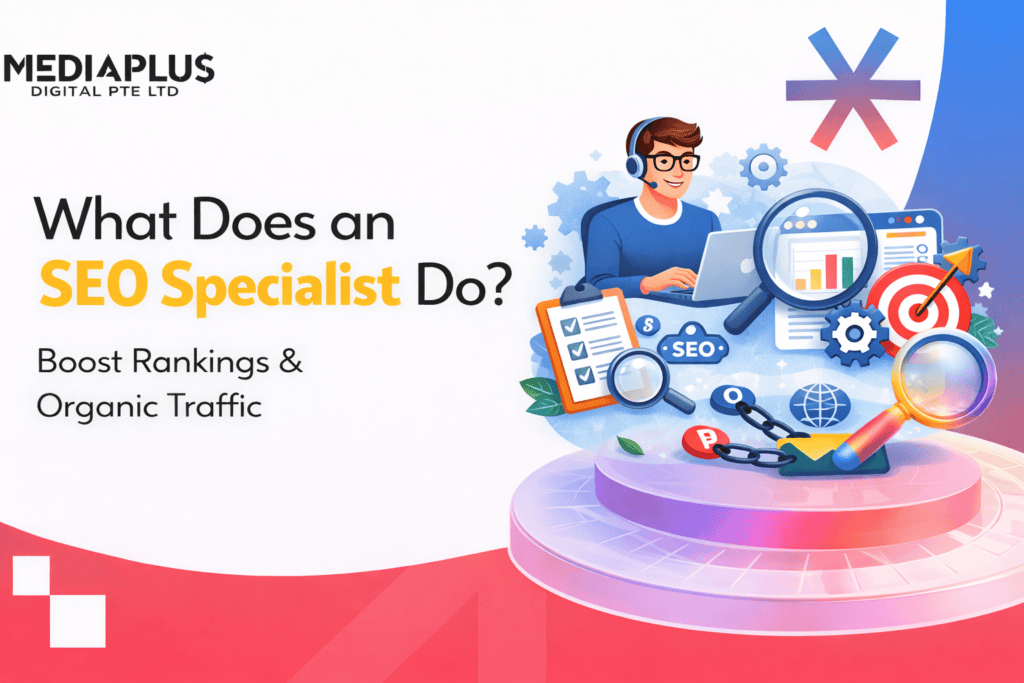
SEO (Search Engine Optimisation) is the process of improving a website so it appears higher in organic search results on platforms like Google, Bing, YouTube, and increasingly AI-powered search experiences.
The goal of SEO is simple:
to help your website show up when people search for products, services, or information related to your business.
Unlike paid ads, SEO focuses on earning visibility naturally by providing relevant, high-quality, and trustworthy content.
How Search Engines Work
Before understanding SEO, it helps to know how search engines operate. In simple terms, they follow three core steps:
1. Crawling
Search engines use automated bots to scan the web and discover new or updated pages. These bots follow links, read content, and collect data.
2. Indexing
Once a page is crawled, the search engine decides whether it should be stored in its index. Pages that are valuable, unique, and accessible are more likely to be indexed.
3. Ranking
When someone searches, the engine sorts indexed pages and ranks them based on relevance, quality, and authority. The highest-ranking pages appear first.
SEO is about optimising your site so search engines can crawl, index, and rank it with confidence.
The Three Core Pillars of SEO
SEO is not a single task. It is a system made up of three essential components.
1. Technical SEO
Technical SEO ensures your website is structurally sound and easy for search engines to understand.
Key elements include:
-
Page speed and performance
-
Mobile responsiveness
-
Secure HTTPS connections
-
Clean URL structure
-
Proper indexing and crawlability
If technical SEO is weak, even the best content may never rank.
2. On-Page SEO (Content and Relevance)
On-page SEO focuses on what users see and interact with.
This includes:
-
Creating content that answers real search intent
-
Using keywords naturally and strategically
-
Clear headings, titles, and internal linking
-
Optimised images, videos, and multimedia
Strong on-page SEO prioritises clarity, usefulness, and readability.
3. Off-Page SEO (Authority and Trust)
Off-page SEO builds credibility beyond your own website.
It involves:
-
High-quality backlinks from reputable sites
-
Brand mentions and citations
-
Reviews and online reputation
-
Digital PR and thought leadership
Search engines treat these signals as proof that others trust your content.
SEO vs Paid Advertising
SEO and paid ads often work best together, but they serve different purposes.
SEO
-
Takes time to build
-
Delivers long-term results
-
Traffic continues even when activity slows
-
Builds trust and authority
Paid Ads
-
Immediate visibility
-
Stops when budget ends
-
Costs increase over time
-
Less trust compared to organic results
SEO is a long-term investment that compounds over time.
Why SEO Matters for Businesses
SEO plays a critical role in modern digital strategy because:
-
Most online experiences begin with search
-
Organic search drives the majority of website traffic
-
High-ranking sites are seen as more credible
-
SEO traffic often converts better than paid traffic
Whether you are a small business or an enterprise brand, SEO directly impacts visibility, leads, and revenue.
SEO in 2026: Beyond Traditional Search
SEO today extends beyond Google’s blue links.
Modern SEO includes:
-
Local search and Google Maps
-
Video SEO on YouTube and social platforms
-
Featured snippets and AI-generated answers
-
Optimisation for AI-driven search tools
The core principles remain the same, but execution now requires a broader, more strategic approach.
Common SEO Mistakes to Avoid
Many businesses struggle with SEO because they:
-
Focus only on keywords, not intent
-
Ignore technical foundations
-
Publish content without a strategy
-
Chase low-quality backlinks
-
Expect instant results
Effective SEO requires patience, consistency, and alignment with real business goals.
Final Thoughts
SEO is not about gaming algorithms or chasing shortcuts. It is about understanding your audience, delivering value, and building long-term digital authority.
As search continues to evolve with AI and new platforms, businesses that treat SEO as a strategic growth channel will stay ahead.
For organisations looking to implement SEO correctly from the ground up, working with an experienced SEO service provider can make a significant difference. MediaPlus Digital Australia delivers performance-focused SEO services designed to align search visibility with real business outcomes, helping brands grow sustainably in competitive markets.
If you view SEO as an investment rather than a tactic, the returns can compound for years.