
Australia’s ecommerce market is worth over $63 billion and growing. But more competition means higher customer expectations. If your online store isn’t actively optimised for conversions, you’re leaving money on the table.
This guide covers 15 proven strategies to increase sales on your ecommerce site – from product page tweaks to checkout optimisation, SEO, and beyond.
1. Optimise Your Product Pages
Your product page is where the buying decision happens. High-quality images (multiple angles, zoom capability, lifestyle shots), detailed descriptions that focus on benefits rather than features, and prominent pricing are non-negotiable. Include size guides, material specs, and compatibility information where relevant – Australian consumers research thoroughly before purchasing.
2. Add Social Proof and Reviews
92% of consumers read online reviews before making a purchase. Display customer reviews and ratings prominently on product pages – not buried at the bottom. User-generated photos and video reviews are particularly powerful. Consider tools like Judge.me, Yotpo, or Stamped.io to automate review collection.
3. Simplify Your Checkout Process
Cart abandonment rates in ecommerce average 70%. The top reasons: unexpected costs, required account creation, and a complicated checkout process. Fix these by offering guest checkout, displaying shipping costs upfront, minimising form fields, and supporting multiple payment methods (credit card, PayPal, Afterpay/Zip Pay, Apple Pay, Google Pay).
4. Improve Site Speed
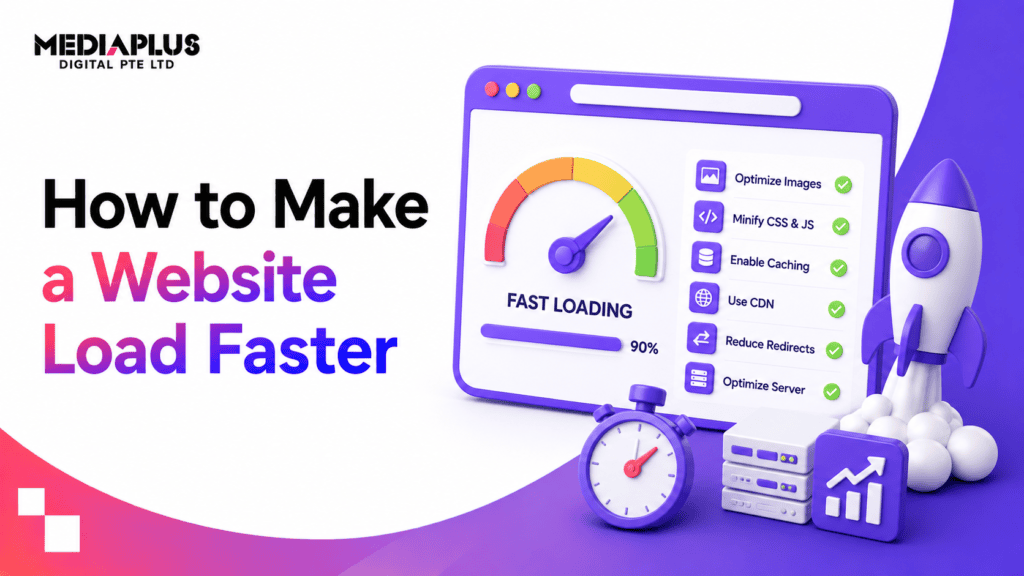
Every additional second of load time reduces conversions by approximately 7%. For a store doing $100,000/month, a 1-second delay costs roughly $7,000/month in lost revenue. Optimise images, use a CDN, minimise JavaScript, and aim for sub-3-second load times on mobile.
5. Use Free Shipping Strategically
Free shipping is the #1 incentive for online purchases. If you can’t offer it universally, set a free shipping threshold just above your average order value. If your AOV is $75, set free shipping at $99. This nudges customers to add more items to their cart, increasing both conversion rate and average order value simultaneously.
6. Implement Abandoned Cart Recovery
Abandoned cart emails recover an average of 5-10% of lost sales. Set up a three-email sequence: first email within 1 hour (reminder), second at 24 hours (address objections), third at 72 hours (offer an incentive). Tools like Klaviyo, Omnisend, or Mailchimp’s ecommerce features make this straightforward to automate.
7. Upsell and Cross-Sell Intelligently
Amazon attributes 35% of its revenue to recommendations. Add ‘frequently bought together’, ‘customers also viewed’, and ‘you might also like’ sections to product and cart pages. Keep upsell suggestions relevant and priced within 25% of the original item to avoid sticker shock.
8. Build Trust With Security and Transparency
Display trust signals prominently: SSL certificate badge, accepted payment method logos, money-back guarantee, and clear return/exchange policy. For Australian ecommerce, prominently display your ABN and physical address – it builds credibility with local shoppers who are wary of overseas drop-shipping operations.
9. Invest in eCommerce SEO
Paid ads drive instant traffic but stop the moment you stop spending. eCommerce SEO builds compounding organic traffic over time. Optimise product titles and descriptions for search intent, create category page content, build internal links between related products, and ensure your site’s technical SEO is solid. Understanding how ecommerce SEO differs from traditional SEO is key to getting this right.
10. Optimise for Mobile
Over 60% of ecommerce traffic comes from mobile devices, but mobile conversion rates are typically 50% lower than desktop. Close this gap with thumb-friendly navigation, streamlined mobile checkout, mobile-specific payment options (Apple Pay, Google Pay), and fast mobile load times. A responsive, mobile-first design isn’t optional.
11. Use High-Quality Photography and Video
Customers can’t touch or try your products online. Compensate with high-resolution images from multiple angles, 360-degree product views, lifestyle photography showing the product in use, and short product videos. Video on product pages can increase conversions by up to 80%.
12. Create Urgency and Scarcity (Authentically)
Low stock indicators (‘Only 3 left’), countdown timers for sales, and limited-time offers create genuine urgency that drives faster purchase decisions. But be honest – fake scarcity damages trust. Only display low stock warnings when stock is genuinely low, and only run time-limited offers that actually end.
13. Leverage Email Marketing Beyond Abandoned Carts
Email marketing generates an average ROI of $42 for every $1 spent. Beyond abandoned cart emails, build automated flows for: welcome sequences (new subscribers), post-purchase follow-ups (review requests, cross-sell), win-back campaigns (inactive customers), and VIP segments (your top 10% of customers). Segment your list ruthlessly – personalised emails drive 6x higher transaction rates.
14. Run Paid Advertising Strategically
Combine organic growth with paid channels for maximum impact. Google Shopping and PPC capture high-intent buyers actively searching for your products. Facebook and Instagram ads drive discovery and retargeting. TikTok ads reach younger demographics with creative-led campaigns. Use retargeting to bring back visitors who browsed but didn’t buy.
15. A/B Test Everything
Don’t guess what works – test it. A/B test your product page layouts, CTA button colours and copy, checkout flow, pricing display, and promotional messaging. Even small changes (like moving a trust badge closer to the ‘Add to Cart’ button) can lift conversion rates by 5-15%. Use tools like Google Optimize, VWO, or Optimizely to run structured experiments.
Final Thoughts
Increasing ecommerce sales isn’t about one big change – it’s about consistent, data-driven optimisation across your entire customer journey. Start with the highest-impact changes (site speed, checkout simplification, abandoned cart emails) and build from there.
Want expert help growing your online store? Get in touch with MediaPlus Digital Australia for a free ecommerce audit. We combine ecommerce SEO, paid media, and conversion optimisation to drive measurable revenue growth.