When people talk about building a website, they often use “web design” and “web development” interchangeably. In reality, these are two distinct disciplines that work together to create a complete digital product.
A simple way to understand it is this: web design shapes how a website looks and feels, while web development makes it function properly behind the scenes. Both are essential. Without design, a site lacks engagement. Without development, it simply does not work.
What Is Web Design?
Web design focuses on the visual appearance and user experience of a website. It is about creating an interface that is not only attractive but also intuitive and easy to use.
A web designer is responsible for translating a brand’s identity into a digital format. This includes choosing colors, typography, layout structure, and how different elements guide users through the site.
Instead of starting with code, designers typically begin with concepts and wireframes. These are then refined into high-fidelity mockups using tools like Figma, Adobe Photoshop, or Adobe Illustrator.
Core Elements of Web Design
Web design is usually divided into three main areas:
-
User Interface (UI): This is what users see on the screen. It includes buttons, menus, icons, and overall layout. A strong UI ensures the site looks clean, modern, and aligned with the brand.
-
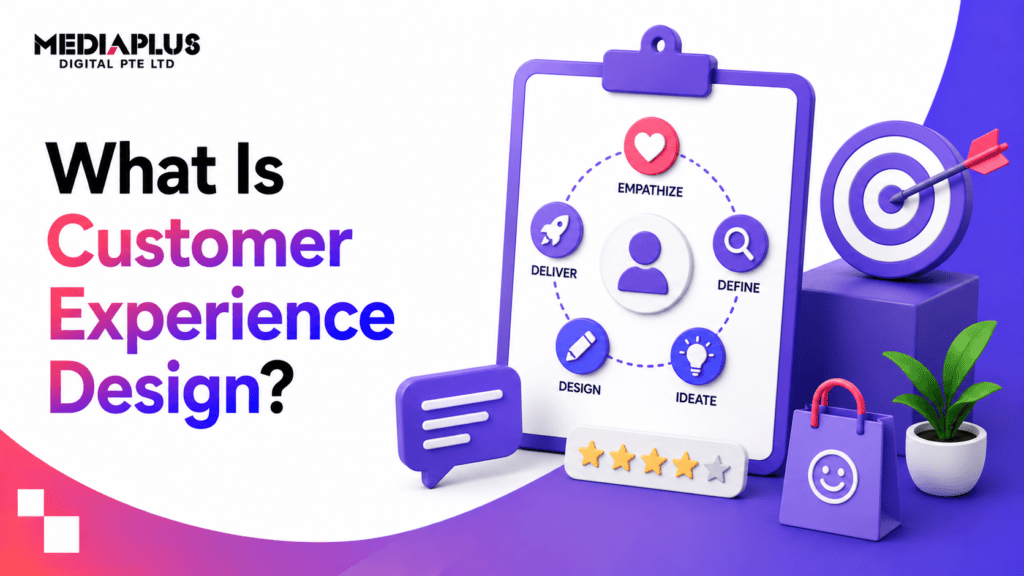
User Experience (UX): UX is about how users interact with the site. Designers think through the entire journey, from landing on the homepage to completing an action like making a purchase or filling out a form.
-
Visual Design: This focuses on aesthetics and emotional impact. Good visual design builds trust, improves engagement, and helps users focus on key information.
What Makes Good Web Design?
A well-designed website is not just about looking good. It needs to perform. That means:
-
Clear navigation that users understand immediately
-
Mobile responsiveness across devices
-
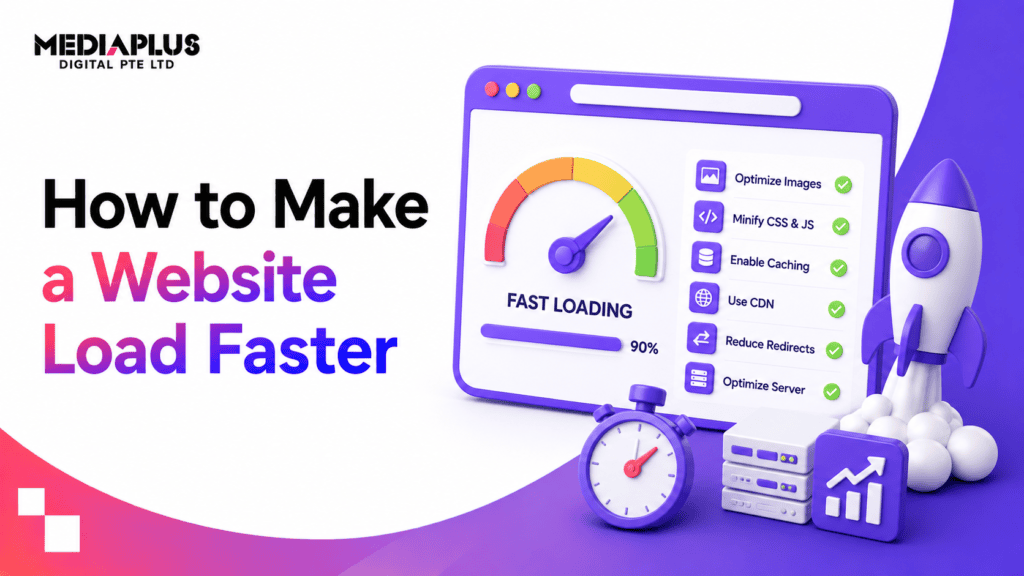
Fast loading visuals and optimized images
-
Consistent branding throughout the site
Designers often need a basic understanding of HTML and CSS, but their main strength lies in creative thinking and user behavior analysis.
What Is Web Development?
Web development is the process of building and maintaining the functionality of a website using code. Developers take the designer’s vision and turn it into a working product that users can interact with.
While designers focus on what users see, developers focus on what happens when users click, scroll, or submit data.
Types of Web Development
Web development is typically split into three areas:
-
Front-End Development: This is the part users interact with directly. Front-end developers use technologies like HTML, CSS, and JavaScript to build interactive elements and responsive layouts. Tools such as React are commonly used to create dynamic user interfaces.
-
Back-End Development: Back-end developers handle the server side of the website. This includes databases, authentication systems, and application logic. Technologies like Node.js or Django are often used here.
-
Full-Stack Development: Full-stack developers work across both front-end and back-end, managing the entire system from interface to database.
What Makes Good Web Development?
Strong web development ensures that a website is:
-
Fast and responsive
-
Secure and stable
-
Compatible across browsers and devices
-
Scalable as traffic grows
Developers also play a key role in troubleshooting issues, optimizing performance, and integrating third-party services like payment gateways or APIs.
Key Differences Explained Clearly
Although web design and development are closely connected, their responsibilities are quite different.
| Aspect | Web Design | Web Development |
|---|---|---|
| Main Focus | Look and user experience | Functionality and performance |
| Approach | Creative and visual | Technical and logical |
| Output | Mockups, prototypes | Live, working website |
| Tools | Figma, Photoshop | Code frameworks and environments |
| Goal | Engage users | Make everything work smoothly |
In short, design answers “how it should look”, while development answers “how it works.”
How They Work Together in Real Projects
In practice, web design and development are not separate stages but part of a continuous collaboration.
A typical workflow might look like this:
-
Designers create wireframes and visual concepts
-
Stakeholders review and approve the design direction
-
Developers build the site based on those designs
-
Both teams refine the product through testing and feedback
It is also common for developers to suggest technical improvements, while designers adjust layouts based on performance or usability insights.
Why Businesses Need Both
Many businesses in Australia still fall into the trap of prioritising either design or development, instead of treating them as one connected system.
A visually impressive website without proper development may load slowly, break across devices, or struggle to convert traffic into leads. On the other hand, a technically sound website without strong design can feel outdated, difficult to navigate, and fail to build trust with users.
In a competitive market like Australia, where users expect fast, seamless, and mobile-first experiences, businesses need more than just a good-looking site or clean code. They need both working together.
That’s why web design and web development services are most effective when delivered as a unified solution. Agencies like Mediaplus Digital Australia take this approach by combining:
-
Custom web design tailored to brand and user experience
-
Full-stack web development for performance and scalability
-
SEO-friendly architecture to support organic growth
-
Conversion-focused landing page optimisation
-
Ongoing website maintenance to ensure long-term stability
Instead of treating design and development as separate stages, this integrated model aligns everything with business outcomes. The result is a website that not only looks professional, but also performs consistently across SEO, paid traffic, and user conversion.
For businesses investing in web design Australia, this approach is no longer optional. It is what separates a basic website from one that actually drives growth.
Final Thoughts
Web design and web development are two sides of the same coin. One shapes the experience, the other brings it to life.
If your goal is to build a website that not only looks good but also performs, converts, and scales, you cannot treat them as separate. The most effective digital products are built when design and development work hand in hand, guided by clear business goals and user needs.