
Mobile applications have become a central part of modern digital ecosystems. From ecommerce platforms and financial services to healthcare and logistics, mobile apps now shape how businesses interact with customers, deliver services, and scale operations.
However, launching a mobile application successfully requires more than hiring developers and writing code. Many businesses invest heavily in app development but struggle with user adoption, retention, or monetisation because they lack a clear strategy from the beginning.
A well-structured app development strategy aligns technology, user experience, marketing, and long-term business objectives. It ensures that the application is not only functional but also scalable, secure, and capable of supporting real business growth.
This guide explains the key components of an effective app development strategy and how businesses can approach the process in a structured way.
Key Elements of a Successful App Development Strategy
Understanding the Business Objective
The first step in any mobile app strategy is defining why the application exists.
Some apps are designed to generate direct revenue through ecommerce or subscriptions. Others aim to improve customer experience, automate services, or support existing platforms.
Without a clear objective, development teams may focus too heavily on features rather than business value.
For example, an ecommerce brand might build an app to improve repeat purchases and loyalty, while a logistics company may focus on operational efficiency and real-time tracking.
A well-defined objective guides decisions around functionality, platform choice, development architecture, and marketing strategy.
Market Research and User Analysis
Understanding the target audience is essential before development begins.
Businesses should analyse:
-
customer behaviour
-
competitor apps
-
market demand
-
industry trends
This research helps identify user expectations and opportunities to differentiate the application.
For example, many successful apps succeed not because they invent something completely new, but because they improve existing solutions through better usability, speed, or integration.
User research also helps determine whether a business should prioritise Android, iOS, or both platforms during the initial launch phase.
Choosing the Right Development Approach
One of the most important strategic decisions is selecting the development model.
There are typically three options.
Native App Development
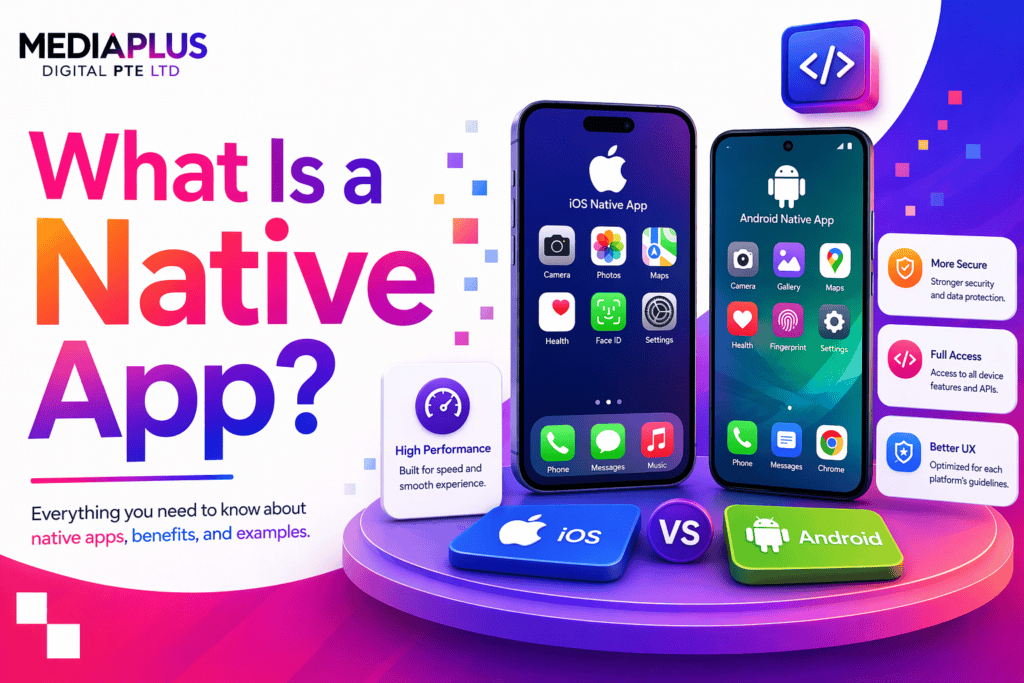
Native applications are built specifically for a single platform such as iOS or Android.
This approach offers the best performance and deeper integration with device hardware but often requires separate development teams.
Native development is common for large-scale platforms such as banking apps or high-performance ecommerce applications.
Cross-Platform Development
Cross-platform frameworks allow developers to build one codebase that works across multiple operating systems.
This approach reduces development cost and launch time while maintaining solid performance for most applications.
Frameworks such as Flutter or React Native have made cross-platform development increasingly popular.
Progressive Web Apps (PWA)
Some businesses choose progressive web apps instead of traditional mobile apps.
PWAs behave like mobile apps but run through web browsers, reducing installation barriers while still providing app-like functionality.
The choice between these options depends on budget, timeline, technical requirements, and long-term scalability.
User Experience and Interface Design
A successful mobile app must deliver a seamless user experience.
Many applications fail not because the concept is weak but because navigation is confusing or performance is slow.
Strong UI/UX design focuses on clarity, speed, and intuitive interaction. Users should be able to understand the app’s purpose immediately and perform key actions with minimal friction.
Mobile interfaces must also adapt to different screen sizes, device capabilities, and operating systems.
Investing in thoughtful user experience design often leads to higher engagement, longer session times, and improved user retention.
Building a Scalable Technology Architecture
Scalability is a crucial but often overlooked aspect of app development strategy.
An application should be able to handle growth in users, data, and functionality without major technical restructuring.
This involves decisions around:
-
backend infrastructure
-
cloud hosting
-
database architecture
-
API integrations
Modern applications frequently rely on cloud platforms to ensure flexibility and performance as user demand increases.
Security considerations must also be integrated into the architecture to protect sensitive user data and maintain platform reliability.
App Monetisation Strategy
If the goal of the application is revenue generation, the monetisation model should be defined early in the development process.
Common monetisation models include subscription services, in-app purchases, advertising, and ecommerce transactions.
Each model requires different design and technical considerations.
For example, subscription-based apps need strong user engagement and continuous value delivery, while ecommerce apps must focus heavily on product discovery, checkout optimisation, and payment security.
A clear monetisation strategy ensures the app contributes to sustainable business growth rather than becoming a costly experiment.
Marketing and User Acquisition
Even the most innovative app will struggle without an effective marketing strategy.
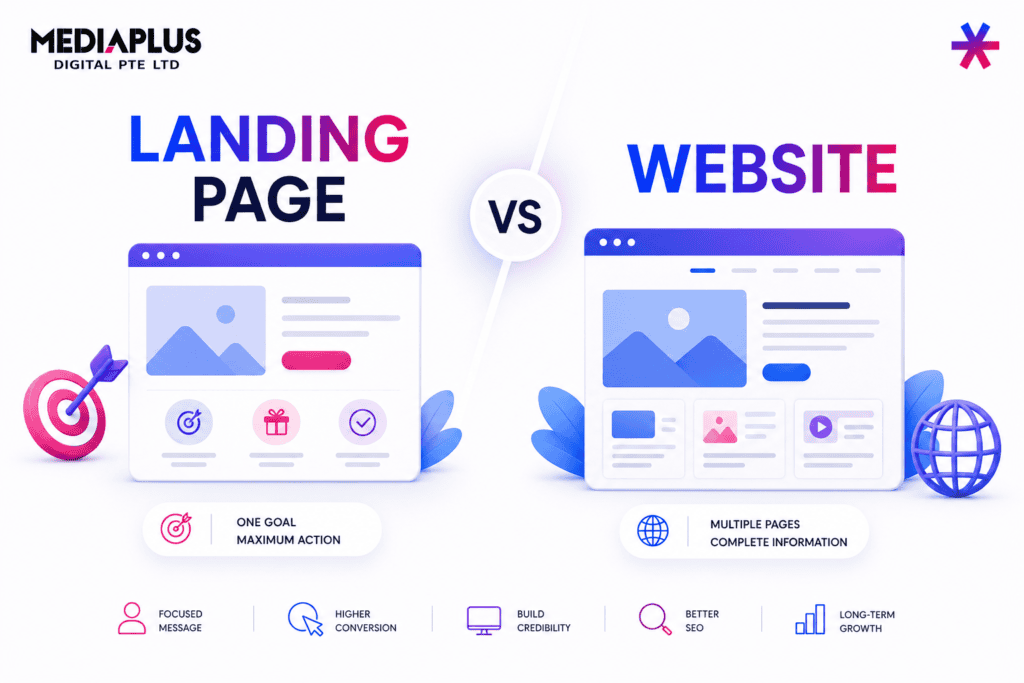
User acquisition often begins before the application is launched. Businesses may build early interest through landing pages, email signups, or social media campaigns.
Once the app is live, marketing channels may include search advertising, social media campaigns, influencer partnerships, and content marketing.
Paid advertising campaigns such as Google Ads or social media ads can accelerate early growth by driving targeted traffic to the app store.
A strong marketing strategy ensures the application reaches the right audience and achieves meaningful adoption.
Continuous Optimisation and Updates
Launching the app is only the beginning.
Successful apps evolve continuously based on user feedback, behavioural data, and technological advancements.
Regular updates improve functionality, introduce new features, and fix technical issues. Analytics tools also help teams understand user behaviour, identify friction points, and optimise performance over time.
Companies that treat their apps as living digital products rather than one-time projects often achieve the most sustainable growth.
Final Thoughts
Mobile applications have become a powerful channel for business growth, customer engagement, and digital transformation.
But building a successful app requires more than technical development. It requires a structured strategy that connects technology, user experience, marketing, and long-term business objectives.
Companies that plan their app development strategy carefully are more likely to launch applications that scale successfully and deliver measurable value.
For businesses planning to launch or expand their mobile platforms, working with experienced development partners can help streamline the process.
MediaPlus Digital Australia supports companies with mobile app development, scalable landing page development, and integrated performance marketing strategies that help applications reach the right audience and grow sustainably.
When development strategy and marketing strategy work together, a mobile app becomes more than a product.
It becomes a powerful digital growth engine.